The Best Study Schedule for Exam Week (That Actually Works)
Learn how to build the best study schedule for exam week using science-backed strategies like spaced repetition, active recall, and smart time blocking.
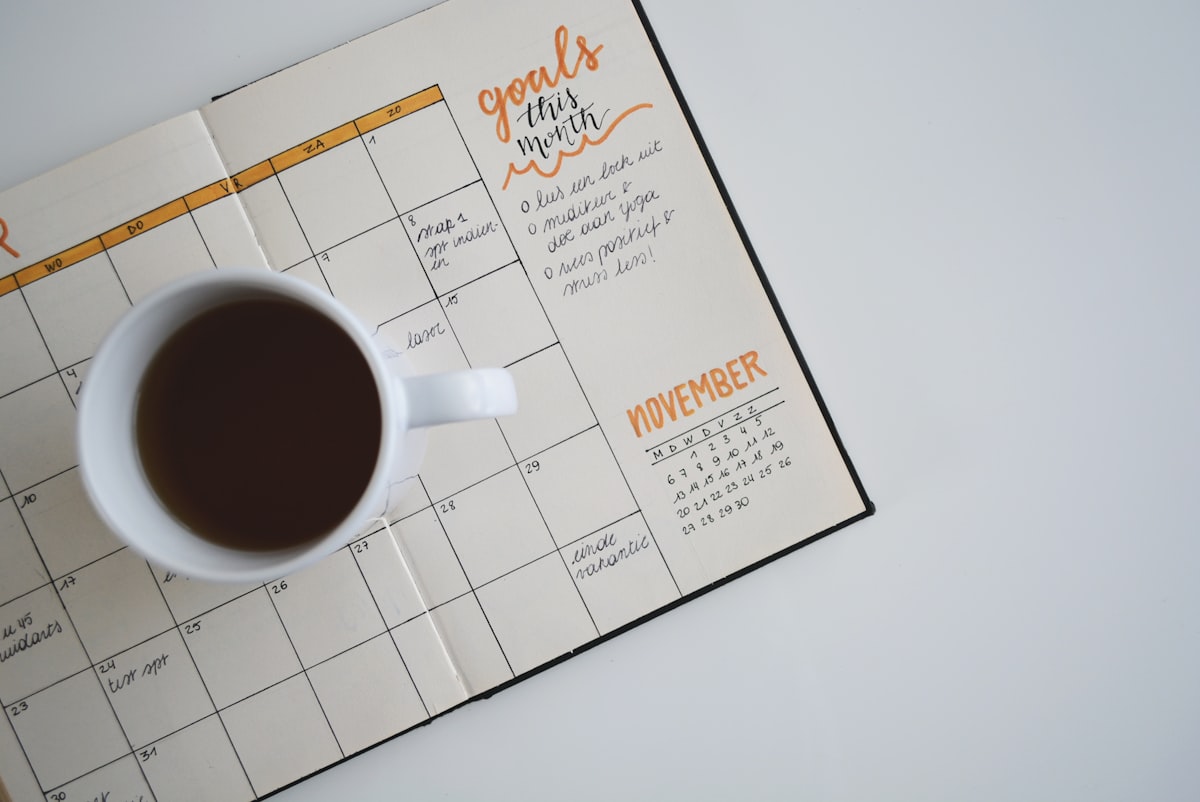
Exam week is coming, and if you’re staring at a pile of notes wondering where to even begin, you’re not alone. The difference between students who walk into exams feeling confident and those who panic the night before usually comes down to one thing: having the best study schedule for exam week and actually sticking to it. The good news is that building an effective schedule is simpler than you might think, and it doesn’t require studying around the clock.
Start by Working Backwards from Your Exam Dates
The biggest mistake students make is planning their study schedule moving forward from today. Instead, start with your exam dates and work backwards. Write down every exam, project deadline, and paper due date on a calendar. Once you can see the full picture, you’ll immediately notice which days are packed and which have breathing room.
For each exam, estimate how many hours of focused study you’ll realistically need. A class you’ve kept up with all semester might only need four to six hours of review, while a course where you’ve fallen behind could need ten or more. Divide those hours across the days you have available before that exam, and suddenly you have a concrete plan instead of a vague sense of dread.
The key insight from Cornell University’s Learning Strategies Center is that you should aim to start at least seven days before your first exam. Spacing your study sessions across multiple days is far more effective than cramming. Research consistently shows that students who study one hour per day over several weeks outperform those who study ten hours in a single marathon session, even when the total hours are identical.
Build Your Daily Schedule Around Focus Blocks
Once you know what to study each day, the next step is deciding when and how long to study. Cognitive science research by John Dunlosky and colleagues has shown that shorter, focused sessions produce better retention than long, unfocused ones. Aim for study blocks of about 90 minutes to two hours, followed by a 15 to 20 minute break.
During each block, focus on a single subject. Switching between topics too rapidly within a session can create interference, but rotating subjects between sessions actually helps. So you might spend your morning block on biology and your afternoon block on statistics. This approach, known as interleaving, forces your brain to practice retrieving different types of information, which strengthens your memory for all of them.
Most students find they can realistically fit in two to three quality study blocks per day during exam week, for a total of about four to six hours of deep work. That might sound like less than you expected, but those hours of genuine, focused study are worth far more than eight hours of half hearted highlighting while scrolling your phone.
Prioritize What You’re Weakest On First
It’s tempting to start with the subjects you enjoy or the material you already know well. That feels productive because the information flows easily. But it’s a trap. The subjects that feel hardest are the ones that need your attention most, and they deserve your freshest mental energy.
Schedule your most challenging material for the time of day when you’re sharpest. For many people that’s the morning, but if you’re a night owl who hits peak focus at 9 PM, lean into that. The point is to match your hardest cognitive work with your highest energy window.
Professor Henry Roediger’s research on desirable difficulties suggests that the struggle you feel when studying hard material is actually a signal that deep learning is happening. If everything feels easy during your study sessions, you’re probably reviewing things you already know rather than strengthening the areas that need it.
Use Active Recall Instead of Passive Review
Here’s where most study schedules fall apart: students block out the time but fill it with low impact activities like re-reading chapters or copying notes. Decades of research on memory, going back to Hermann Ebbinghaus’s work on the forgetting curve, tells us that passive review barely moves the needle.
Active recall, the practice of testing yourself on the material without looking at your notes, is one of the most powerful study techniques available. When you force your brain to retrieve information from memory, you strengthen the neural pathways that make that information accessible during your exam.
For each study block, spend the first portion reviewing key concepts, and then close your notes and quiz yourself. Use practice problems, create your own questions, or turn your notes into flashcards. If you can explain a concept from memory in your own words, you probably know it. If you can’t, you’ve just identified exactly what to focus on next.
Spaced repetition takes this a step further by strategically timing your review sessions. Instead of reviewing everything every day, you revisit material at increasing intervals, right as you’re about to forget it. This approach, backed by extensive cognitive science research, can dramatically reduce the total time you need to spend studying while improving long term retention.
Build In Recovery Time
A study schedule that accounts for every waking minute is a schedule that will collapse by day two. You need buffer time for the unexpected: a study session that runs long because you hit a difficult topic, a friend who needs help, or simply a morning when your brain refuses to cooperate.
Build at least one to two hours of unscheduled time into each day. This buffer can absorb overflow from your study blocks, or if everything goes according to plan, it becomes genuine rest time. Sleep is also non negotiable. Research from the National Sleep Foundation consistently shows that sleep deprivation impairs the memory consolidation process, which means pulling an all nighter can actually make you perform worse on the exam you stayed up studying for.
Aim for seven to eight hours of sleep each night during exam week. It’s not wasted time. It’s when your brain processes and stores everything you studied during the day.
A Sample Exam Week Schedule
To put this all together, imagine you have four exams spread across five days. Your schedule for a typical study day might look something like this.
In the morning, you tackle your hardest subject for a 90 minute focused session, using active recall and practice problems. After a break, you switch to your second subject for another 90 minute block. After lunch and some downtime, you do a third session in the afternoon focused on a different subject, this time reviewing flashcards and doing spaced repetition. The evening is for a light review of anything that tripped you up earlier, followed by relaxation and an early bedtime.
The specifics will vary depending on your exam schedule, your energy patterns, and how much preparation each subject requires. The framework stays the same: focused blocks, active recall, strategic subject rotation, and built in rest.
Make Every Study Block Count
The hardest part of exam week isn’t finding time to study. It’s making sure the time you spend actually moves the needle. If you follow the framework above, you’ll walk into each exam knowing you prepared strategically, not frantically.
If you want to skip the busywork of turning notes into study materials, Recappy can instantly generate quizzes, flashcards, and mindmaps from your class notes, so every study block is spent on active recall instead of organizing. Download Recappy free on the App Store and make this exam week your best one yet.

Ready to study smarter?
Turn your notes into quizzes, flashcards, and mindmaps in seconds.
Download Recappy Free